When a little one’s first signs of autism appear, parents often feel like they’re standing at a crossroads. The road ahead is littered with information, and finding a trustworthy guide can feel as daunting as assembling a jigsaw puzzle with missing pieces. This article walks you through the steps to locate a reputable autism referral book for toddlers—the kind that can help you chart a clear path forward.
Understanding the Need for a Referral Book
Why Toddlers Need Early Guidance
Early intervention is the secret sauce that turns potential challenges into developmental milestones. By age two, many toddlers can start to benefit from targeted therapies, and a solid reference book can serve as a roadmap for parents and clinicians alike.
What a Referral Book Offers
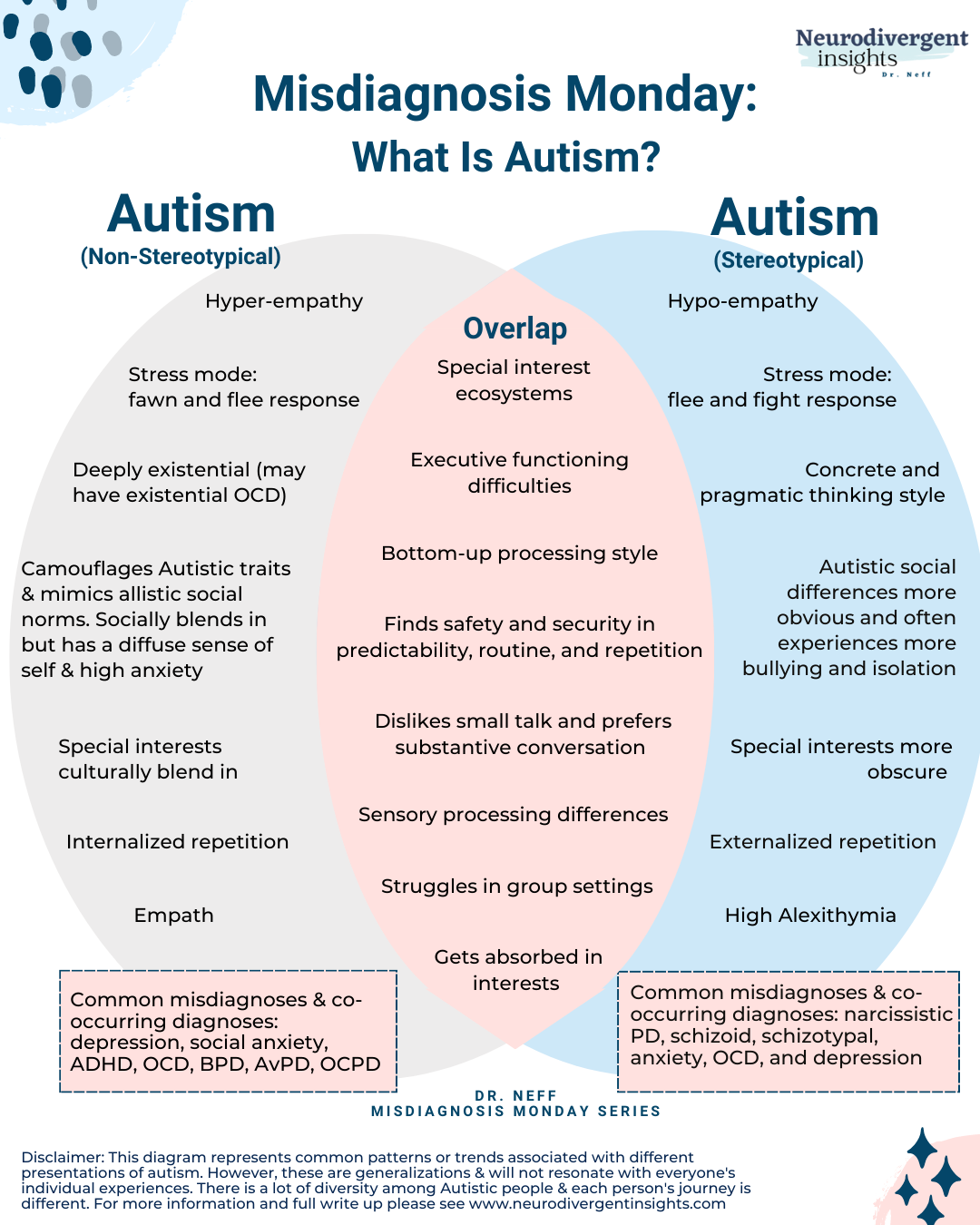
A good book does more than list resources; Autism Signs & Symptoms it provides evidence‑based strategies, timelines, and real‑world examples. Think of it as a compass—pointing you toward the right professionals, therapies, and support networks without getting lost in jargon.
Key Features of a Reputable Source
Author Credentials
- Board‑certified specialists or experienced clinicians Affiliation with reputable research institutions Transparent disclosure of potential conflicts of interest
Updated Information
- Publication dates within the last five years Regularly revised editions or companion online updates Inclusion of the latest research findings
Practical Tools Included
- Checklists for developmental milestones Sample therapy plans Contact directories for local support groups
Where to Look for Trusted Books
Professional Organizations
- American Academy of Pediatrics Autism Speaks National Autistic Society
These bodies often endorse titles that meet rigorous standards.
Pediatrician Recommendations
Your pediatrician’s office can be a goldmine for vetted resources. A quick conversation may reveal a book that aligns with your child’s specific needs.
Online Libraries and Bookstores
- Amazon and Barnes & Noble offer user reviews and “Best Seller” lists. University libraries sometimes hold special collections on developmental disorders.
Reading Reviews and Ratings
Online Platforms
- Pay attention to both star ratings and the depth of the reviews. Look for comments that mention the book’s clarity, practicality, and up‑to‑date content.
Parent Communities
- Parenting forums and Facebook groups often discuss the pros and cons of specific titles. Anecdotes from real families can highlight how a book performed in everyday life.
Common Red Flags to Avoid
Outdated Data
A book that references studies over a decade old may miss newer therapeutic approaches.
Overly Salesy Tone
If the book feels more like a marketing brochure than a clinical guide, proceed with caution.
Lack of Peer Review
Books that haven’t undergone peer review may contain unchecked claims or misinformation.
Making the Final Choice
Compare a Few Titles
Create a simple comparison chart:
- Author credentials Publication year Practical tools included User ratings
Test the Content
If possible, skim a chapter or two. Does the language resonate with you? Are the examples relatable to your child’s daily routine?
The Perfect Gift Awaits
Female autism phenotypePicture this: a toddler’s first smile after a new routine, a parent’s relief at having a clear plan—this is the gift that a well‑chosen book can bring. As Dr. Temple Grandin once said, “Early intervention is like planting a seed; the right care turns it into a flourishing tree.” By selecting a reputable autism referral book for toddlers, you’re planting that seed today.
Take the next step: browse the recommended sources, read a few reviews, and choose the book that feels like a trusted friend on your journey. Your child’s future is a story you’ll write together—start with a solid chapter.